Safety
Electric Gate Safety in Banbury: What HSE Says
The Health and Safety Executive publishes guidance on powered gates. This page quotes it, explains where it points and turns it into questions for an installer. It gives no assurance about any gate.
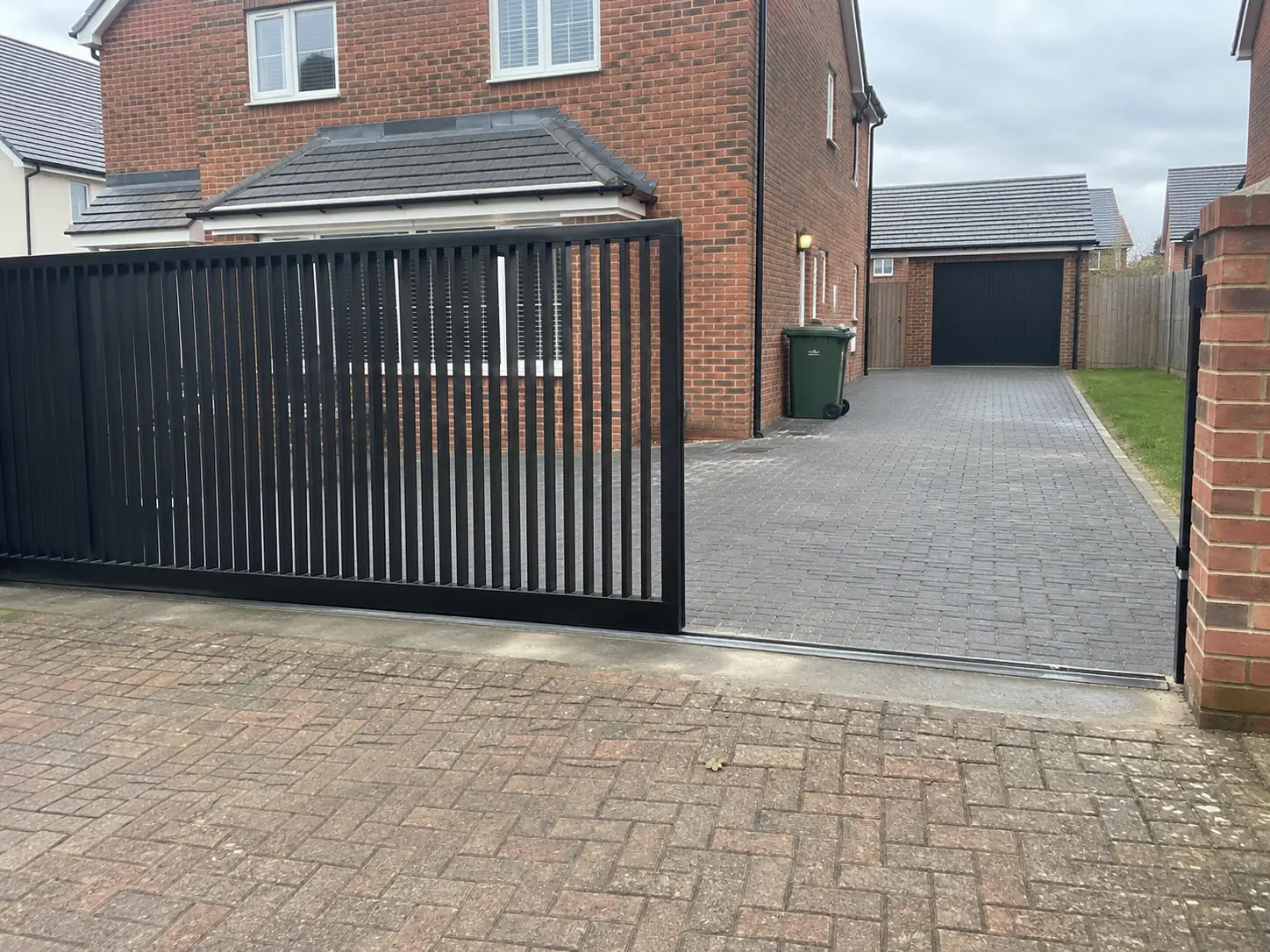
A machine on the drive
HSE’s opening line on the subject is blunt:
Powered gates are machines which need to be properly designed, manufactured, installed and maintained to avoid serious, even fatal, injuries.
Source: HSE, powered gates: the basics, viewed 19 November 2026.
It lists what can go wrong: being hit by the gate, being crushed or trapped, being caught on moving parts, and electric shock. It adds that most are outdoors, where weather can affect them at any time.
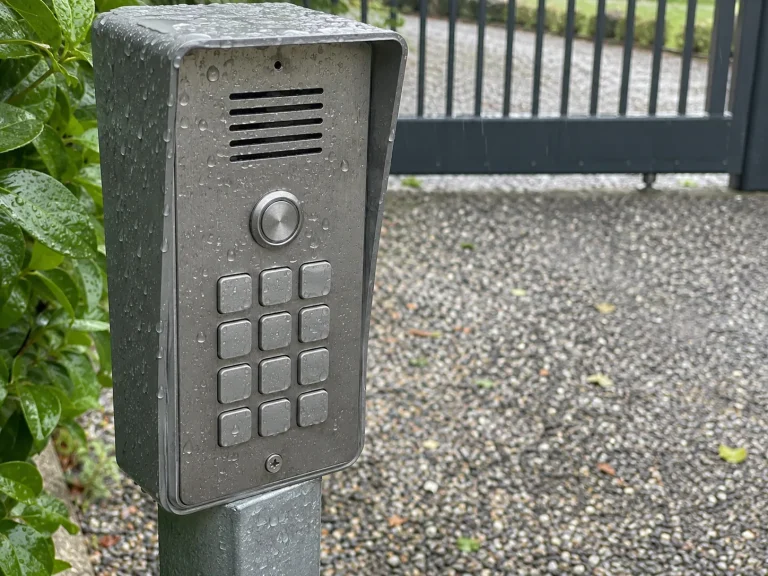
Safety by design
HSE says safety is usually delivered by a combination of methods, and it says the gate must allow for people who use it in ways nobody intended:
foreseeable interactions may go well beyond normal use (eg children playing around or with / on the powered gate)
Source: HSE, ensuring powered doors and gates are safe, viewed 19 November 2026.
On the common protective devices, HSE is careful. It lists force limitation, pressure-sensitive edges and non-contact sensors among the methods, and says of the light beams many gates have:
these beams are not usually high integrity safety devices
Source: HSE, ensuring powered doors and gates are safe, viewed 19 November 2026. Quoted from a longer sentence about non-contact sensors.
It also describes how the gate should behave after meeting an obstruction:
not just stopping when encountering an obstruction, but also backing off at least a short distance to avoid entrapment, because even being held but not crushed can still be hazardous if there is no rescue
Source: HSE, ensuring powered doors and gates are safe, viewed 19 November 2026.
HSE’s safety alert
HSE has also issued a safety alert on powered perimeter gates. It is addressed to landlords and managers of premises, not to householders, and it says what to ask for. Its advice on maintenance and release is useful to anyone:
Ask the gate maintenance company to show you how to release the gate in an emergency – this should be easy and quick to do.
Source: HSE safety alert OPSTD 1-2011, powered perimeter gates, viewed 19 November 2026.
The alert recalls that two children died in 2010 after becoming trapped in powered gates, and it gives the reasons HSE found. Those facts are on the HSE page and are not repeated here.
Who is responsible
HSE says the law differs for a private householder:
While health and safety law does not apply to domestic householders with (privately owned) powered gates, they may still be liable for any harm or damage they cause.
Source: HSE, powered gates: the basics, viewed 19 November 2026.
It also says that new powered gates, including manual gates converted to powered operation, are covered by the Supply of Machinery (Safety) Regulations 2008, and that the person making the gate may need to supply instructions and a Declaration of Conformity. Which of those duties reach a given gate cannot be settled here.
What to ask an installer
- Has a risk assessment been done for this gate, and can I see it?
- Which safety edges, beams and other devices are proposed on every moving edge?
- Will the forces the gate applies be measured, and will the details be handed over?
- How is the gate released in an emergency, and will I be shown?
- Which documents come with the gate, including user instructions?
- Who checks the gate afterwards, and how often?
Some installers mention trade bodies or training schemes. A manufacturer’s own guidance notes that an installer is not obliged to have registered with the DHF or Gate Safe or to have done their courses on safety
. Source: FAAC UK, how to pick the right installer for your gate. If a membership is claimed, check it on that body’s own site.
Sources: HSE, powered gates: the basics; HSE, ensuring powered doors and gates are safe; HSE, powered gates: legal responsibilities; HSE safety alert OPSTD 1-2011, powered perimeter gates. Viewed 19 November 2026.
Bring the answers back
Add a photo of the entrance and say what the gate has to keep out or in.